
Tracing the historical evolution of gambling From ancient rituals to modern casinos
The Origins of Gambling
The roots of gambling trace back to ancient civilizations, where it served both recreational and ritualistic purposes. Archaeological findings suggest that games of chance were played in ancient China around 2300 BC, with artifacts like dice being discovered. Similarly, the Egyptians engaged in betting on outcomes, and many people today also enjoy online gambling real money, emphasizing its deep-seated connection to human culture.
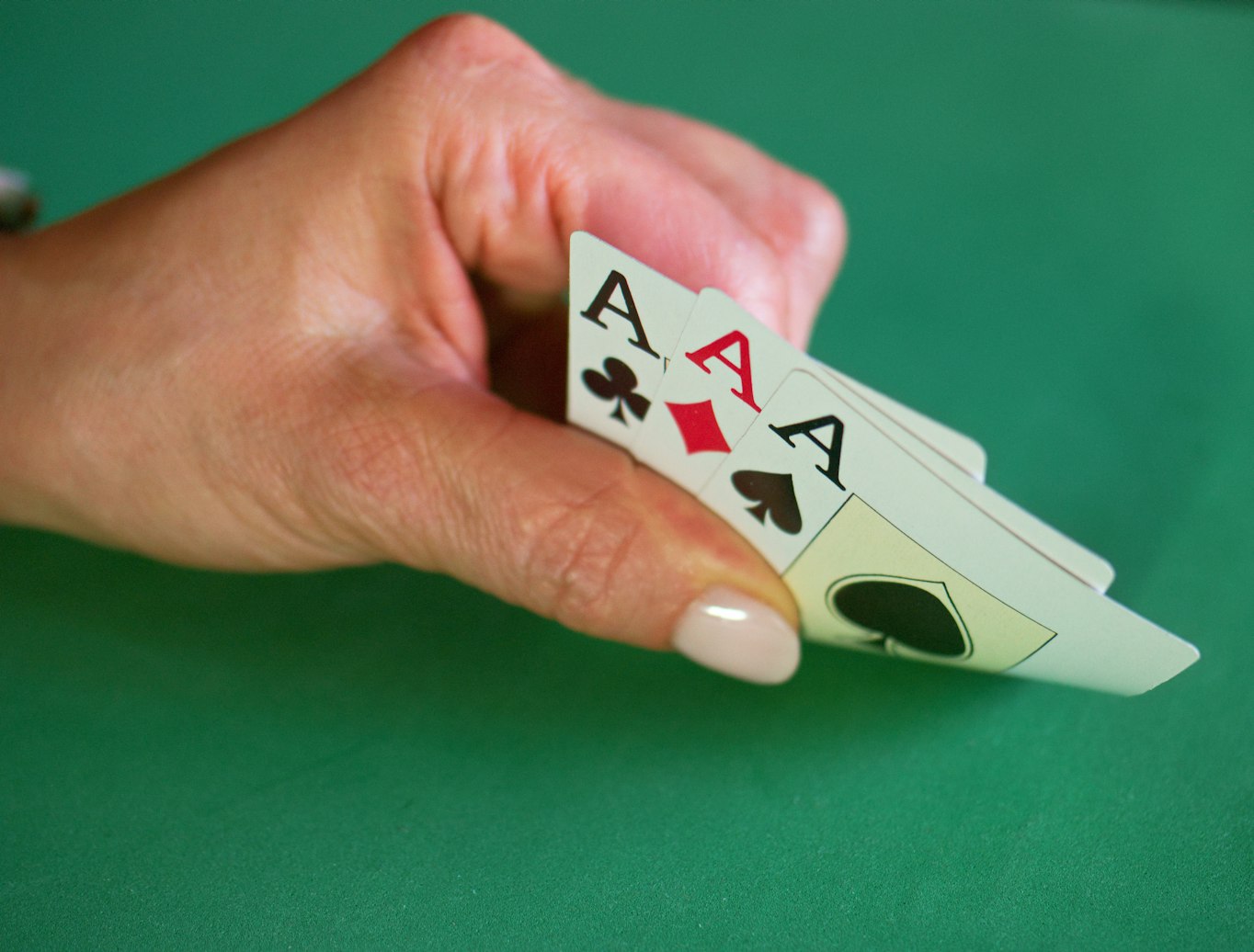
In many societies, gambling was intertwined with religion and spirituality. Ancient Greeks and Romans utilized various forms of gambling during festivals and celebrations, believing that luck and fate played significant roles in their lives. The act of gambling was often perceived as a means of communicating with the gods, highlighting the psychological allure that persists today.
The Transition to Organized Betting
As societies evolved, so did the complexity of gambling. By the Middle Ages, organized betting began to flourish, particularly in Europe. The establishment of gaming houses and the advent of official gambling games, like card games, marked a significant shift. These venues provided structured environments for betting, moving gambling from informal gatherings to more regulated spaces.
The introduction of regulations and laws governing gambling indicated society’s recognition of its potential risks and rewards. This period saw the emergence of betting as a more socially accepted activity, leading to the rise of lotteries and sports betting as popular forms of entertainment in various cultures.
Modern Gambling: The Casino Revolution
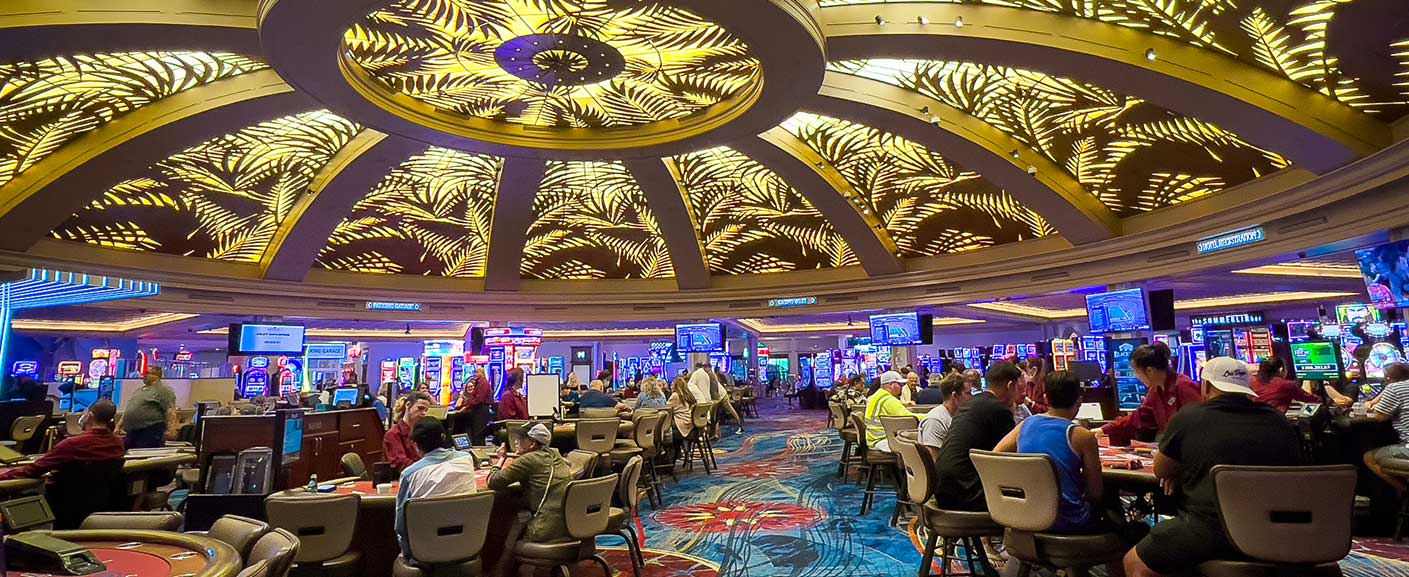
The 19th century heralded the birth of the modern casino, especially in Europe and the United States. Cities like Monte Carlo and Las Vegas became synonymous with luxury and gambling. The casino experience transformed into an intricate blend of entertainment, hospitality, and gaming, attracting millions from around the world. This evolution reflected societal changes in leisure and luxury.
With technological advancements, casinos also began to incorporate electronic gaming machines, enhancing the gambling experience. Today, modern casinos offer a wide variety of games, from traditional table games to high-tech slot machines. The integration of technology not only caters to diverse tastes but also amplifies the thrill and excitement of gambling.
The Psychology Behind Gambling
The psychology of gambling plays a crucial role in its popularity and appeal. Gamblers often experience a rush of excitement, driven by the potential for reward. This psychological phenomenon can lead to behaviors that blur the line between entertainment and addiction, raising important discussions about responsible gambling practices.
Understanding the underlying motivations, such as the desire for social interaction or the thrill of risk, is essential in addressing gambling-related issues. Efforts to promote safer gambling environments continue to evolve, reflecting a growing awareness of the psychological impact of gambling on individuals and communities.
Website Commitment to Responsible Gaming
At our website, we prioritize the importance of responsible gaming and the well-being of our users. We strive to provide a safe platform for discussing the historical evolution of gambling and its current implications. Our commitment to security ensures that visitors can engage with informative content without concerns about potential risks.
By fostering a deeper understanding of gambling’s journey, we aim to contribute to a more informed dialogue around gaming, its history, and the psychology that drives it. We invite visitors to explore our resources and engage in discussions about the rich tapestry of gambling throughout the ages.